
How Mtaa Safi Initiative is Cultivating Hope in Kibera

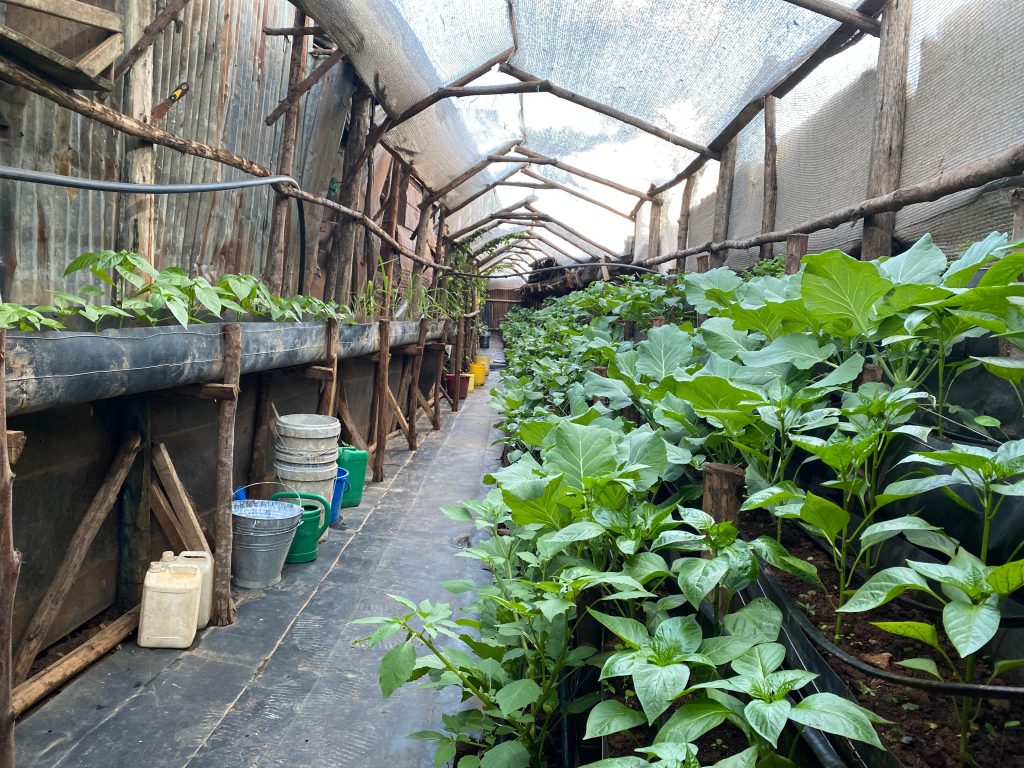
In the heart of Kibera, one of Africa’s largest informal settlements, a quiet revolution is taking root. Where mountains of waste once stood, vibrant green shoots are now reaching for the sky. This is the story of the Mtaa Safi Initiative, a community-based organization (CBO) that is not just cleaning up Kibera, but is also sowing the seeds of a more sustainable and self-reliant future.
For years, the narrative of Kibera has been dominated by images of poverty and pollution. Unmanaged dumpsites were a common sight, posing serious health risks and environmental hazards to the community. But a group of determined young residents, the founders of Mtaa Safi, saw an opportunity where others saw only waste. They envisioned a future where Kibera could manage its own waste, and in doing so, create a healthier, greener, and more prosperous community.
The Green Revolution: Turning Dumpsites into Urban Farms
The most visible and inspiring aspect of Mtaa Safi’s work is their transformation of once-toxic dumpsites into thriving urban farms. This is not just about beautification; it is a radical act of reclamation. By clearing away layers of accumulated waste and rehabilitating the soil, Mtaa Safi is creating oases of green in a densely populated urban landscape.
These urban farms serve multiple purposes. They are a source of fresh, nutritious food for the community, improving food security and providing a healthy alternative to processed foods. They are also living classrooms, where community members, especially youth, can learn about sustainable agriculture, composting, and water conservation. The farms are a testament to the power of community action and a symbol of hope, demonstrating that even the most degraded environments can be brought back to life.
A Circular Vision: Managing Kibera’s Waste in Kibera
At the core of Mtaa Safi’s mission is a bold and ambitious goal: to manage the waste from Kibera, within Kibera. This is a paradigm shift from the traditional model of waste disposal, which often involves transporting waste to overburdened landfills outside the community. Mtaa Safi believes in a circular economy approach, where waste is not seen as something to be discarded, but as a valuable resource.
Through their waste management program, Mtaa Safi collects, sorts, and recycles various types of waste, including plastics, paper, glass, and metal. This not only reduces the amount of waste going to landfills but also creates employment opportunities for youth in the community. The income generated from the sale of recyclable materials is reinvested into the organization’s programs, creating a self-sustaining model for community development.
Furthermore, Mtaa Safi is pioneering innovative solutions for organic waste management. By composting organic waste from households and the urban farms, they are creating nutrient-rich fertilizer that is used to enrich the soil in their farms. This closes the loop, turning waste into a resource that supports local food production.
A Call to Action: Join the Movement
The work of the Mtaa Safi Initiative is a powerful example of how grassroots action can drive transformative change. They are not just cleaning up Kibera; they are building a more resilient, sustainable, and empowered community from the ground up. But they cannot do it alone.
Supporting Mtaa Safi means supporting a vision of a greener, healthier, and more self-reliant Kibera. It means investing in a future where communities have the power to solve their own problems and create their own opportunities. Whether it is through volunteering, donating, or simply spreading the word, we can all play a part in helping this incredible initiative to grow and flourish.
Join the movement. Be a part of the transformation. Let's help Mtaa Safi turn more wastelands into wonderlands, one seed at a time.


